









Smart mirrors as essential interactive home appliances in modern homes

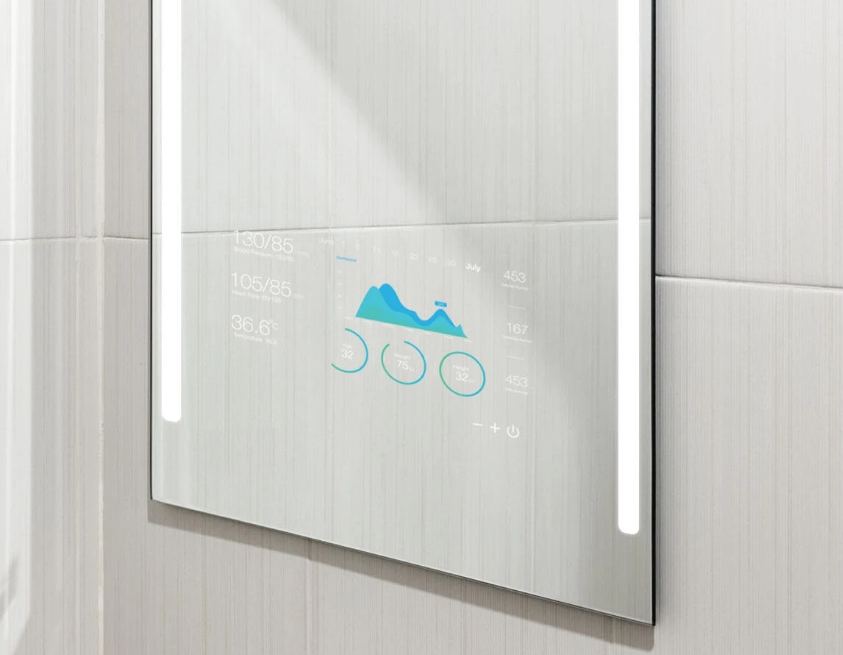
Smart mirrors are rapidly becoming some of the most interesting interactive home appliancesCombining a reflective surface with a digital display that shows information such as weather, time, calendar events and news. By blending screens, sensors, connectivity, and sometimes AI into familiar fixtures, smart mirrors turn bathrooms, bedrooms, and hallways into micro-control centers for the modern smart home.
What is a smart mirror?
A smart mirror is typically a two-way mirror that has an electronic display and small computer hidden behind the glass so that digital content is visible through the surface, while still functioning as a regular mirror.
Unlike a standard mirror that only reflects an image, a smart mirror can present real-time data such as weather, news headlines and reminders pulled from the Internet or connected devices. Many systems support personal profiles and can customize what appears on the screen for each user in the home.
Because of this mix of decor and technology, smart mirrors are better thought of as interactive home devices than simple bathroom accessories. They function like a discreet tablet embedded in a familiar object, providing digital features without adding another obvious screen to the room.
How do smart mirrors work?
most of Intelligent The mirrors rely on three main elements: a semi-transparent mirror, a bright digital display, and an embedded computer connected to Wi-Fi. When the display is on, text and graphics shine through the mirror; When it is closed, the surface looks almost identical to a traditional mirror.
Additional components such as sensors, microphones, and sometimes cameras allow touch, gesture, or voice interactions. Many smart mirrors link to voice assistants and smart home platforms so users can ask for information or control other devices hands-free.
Main features of modern smart mirrors
Modern smart mirror Provides a customizable dashboard with time, weather, trip details, calendar events, task lists, and news, usually at a glance. Users can choose which widgets or apps appear so that the display matches their daily routine, whether it’s focused on travel times, appointments or daily headlines.
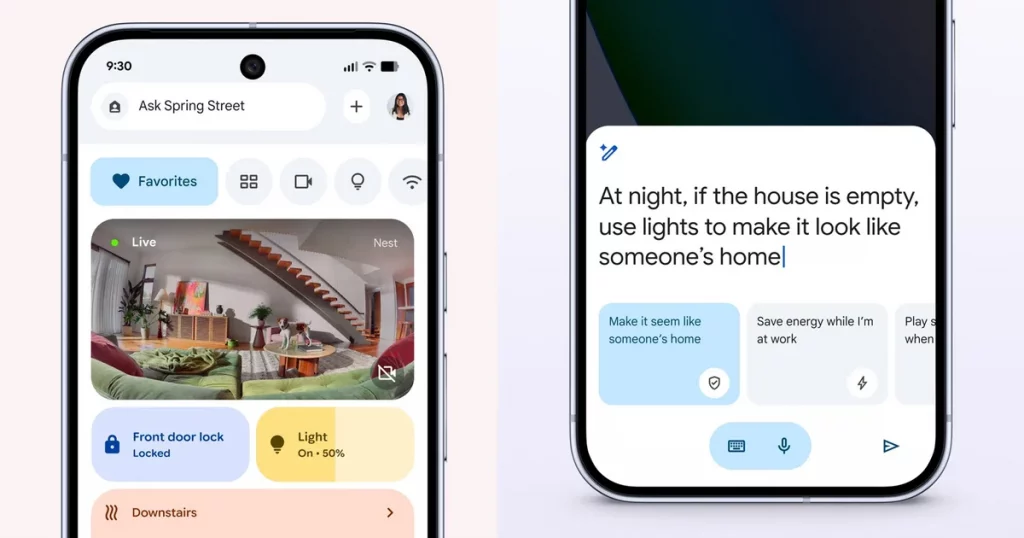
When integrated with the broader smart home, smart mirrors can act as control panels for lighting, thermostats, and sometimes security systems. Some models add built-in speakers, simple streaming options, and video calling, turning the mirror into a compact multimedia screen that blends into the room’s design.
Smart mirror in everyday home life
In bathrooms, smart mirrors often provide the first update of the day, displaying the weather and calendar highlights when one gets ready. Features like adjustable lighting and anti-fog glass make them practical for information as well as beautification.
In bedrooms or hallways, a smart mirror can serve as a quick status check before people leave the house, showing traffic, reminders or the status of connected devices. Large mirrors used in the kitchen or living room can serve as central interactive home devices for family notes, schedules, and smart home controls without adding visible gadgets.
Health, fitness and wellness uses
Some? smart mirror Focus on fitness by offering guided workouts, on-screen instructors, and performance tracking. Using cameras and motion analysis, they can provide feedback on posture and exercise patterns to make training sessions more effective.
Other designs emphasize wellness, using skin analysis and integration with wearables so users can view basic health data while standing in front of a mirror. As AI and sensing technology advances, these mirrors could provide more detailed feedback and tailored suggestions for sleep, stress or skin-care habits.
Benefits and Challenges in Smart Home
For many homes, the main benefit of smart mirrors is convenience: Information appears in exactly the same places people are already using for beauty or outfit checks, reducing reliance on phones for simple updates.
By centralizing key information into one quick glance, they can streamline morning and evening routines and reduce app switching.
As interactive home devices, smart mirrors also provide a subtle way to control lighting, temperature, and media without adding a visible screen. However, price, installation requirements, and long-term maintenance can still be barriers, especially for larger or more advanced systems.
Smart mirrors also raise privacy and security questions, especially when they include cameras and microphones in private areas like bathrooms or bedrooms. Secure software, clear controls to disable sensors, and strong authentication are critical to protecting personal data and video feeds.
Smart Mirrors and the Future of Interactive Home Devices
looking ahead, Intelligent Mirrors are expected to integrate more deeply into the entire home ecosystem, working with other smart displays and sensors as part of an integrated environment.
They can coordinate with lighting, climate control, and presence detection so that the mirror becomes one of many intelligent surfaces in a connected space.
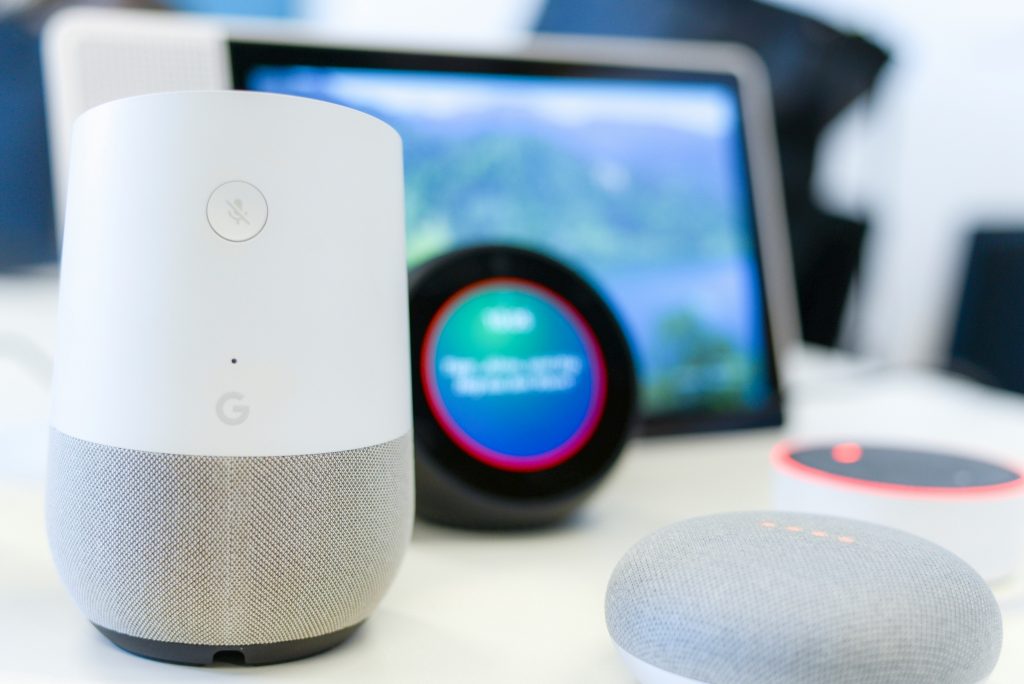
Shoppers who already use smart speakers, connected lighting, and app-based routines may find that smart mirrors offer a more natural and visually integrated way to interact with those services.
By comparing factors such as display size, connectivity, voice assistant support, and privacy features, homeowners can identify smart mirrors that align with their needs and budget as they adopt the next wave of interactive home devices.
Frequently Asked Questions
1. Can Smart Mirror work without internet connection?
Yes, most smart mirrors still function as offline mirrors and can show basic information stored locally, but online features like live weather, news, and updates usually stop working.
2. Is it difficult to install smart mirrors in existing bathrooms?
Wall-mounted smart mirrors often require a nearby power source and secure mounting, so many homeowners use professional electricians or installers, especially in wet areas.
3. Do smart mirrors use a lot of power?
Most smart mirrors use LED displays and efficient electronics, so their power draw is similar to that of a small monitor and can be further reduced with motion sensors or an automatic sleep mode.
4. Can the Smart Mirror be upgraded over time?
Software features can usually be upgraded through updates, but hardware components such as the display, sensors or computer are often fixed unless the mirror is built as a modular or DIY system.