









Babies, growth charts, and physical concerns

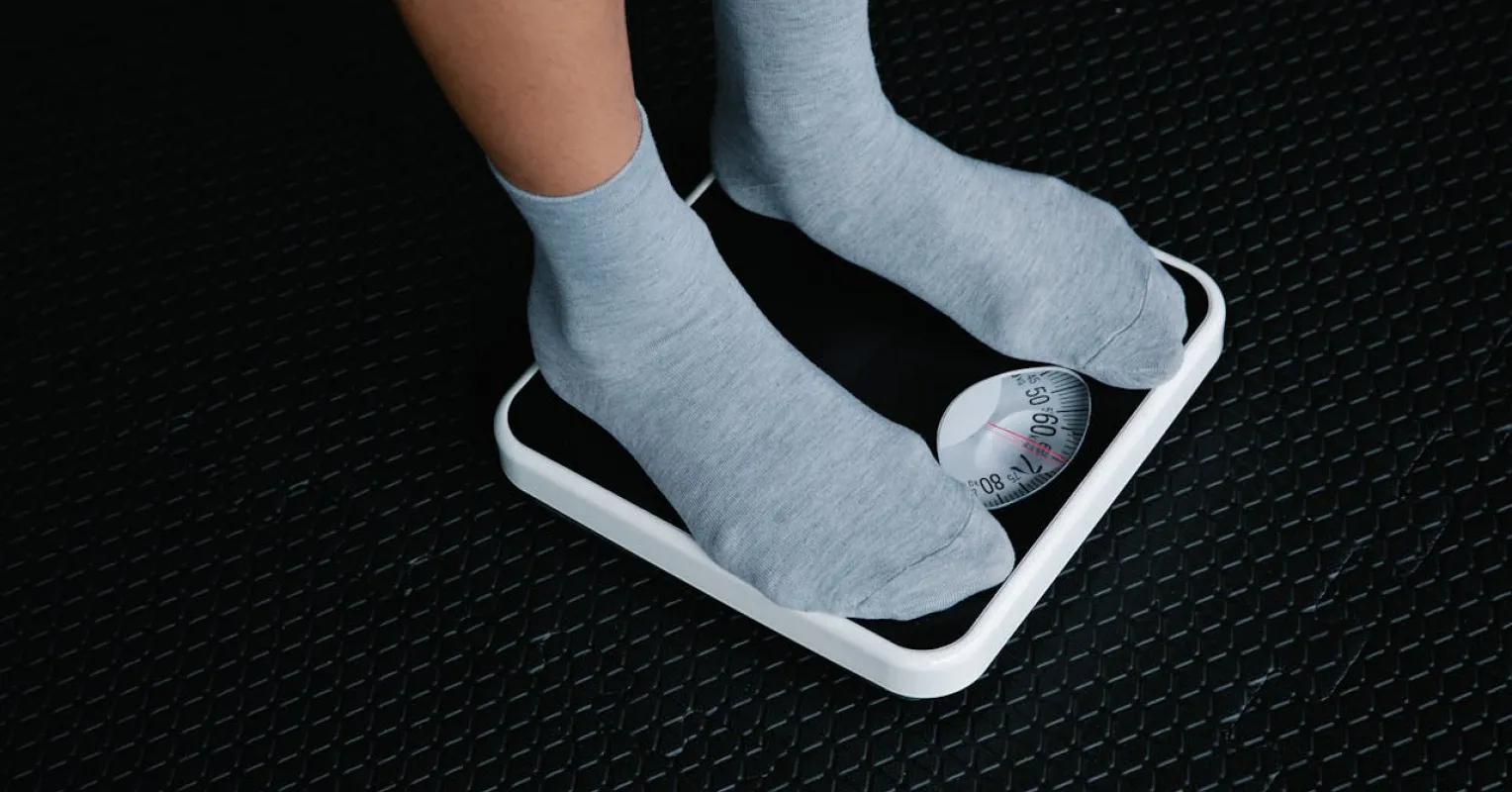
The moment a baby is born, the first thing people ask is – “Is everyone healthy?” Immediately after – “How much did they weigh?” Parents soon learn that their child’s body becomes the object of public conversation. Relatives comment on thick cheeks. Pediatricians track percentages. Strangers comment on whether the child looks “big” or “small.” As children grow up, those comments often continue: “She’s gotten too skinny,” “He’s a big boy,” “Are they eating enough?”
For something that’s supposedly only about “health,” there’s a surprising amount of it. EmotionJudgments, and social meanings attached to children’s bodies.
So why are people so focused on how much babies and toddlers weigh?
Weight has become a shortcut to health
Many people actually believe that they are expressing care when they focus on the child’s appearance. Weight is often thought of as an easy, visual indicator that a child is healthy, thriving or being cared for “properly.”
But bodies are more complex than that.
Babies naturally come in different sizes. Some are born big, some small. Some babies are round and soft before expanding later on. The rest are thin from the beginning. Varies significantly depending on growth pattern geneticsDevelopment, temperament, food patterns, activity levels, medical factors and pure biological diversity.
Yet culturally, we reduce health to body size. A fat child is often seen as healthy and pampered, while a thin child can cause anxiety – even if both are perfectly healthy. Also, some people become concerned about babies who are large or “too fat”, considering baby weight to be something that needs to be controlled from the beginning. Even infants are no exception to society’s tendency to equate body size with health and value.
Babies’ bodies are considered public property
there’s a strange thing about parenting Culture is how comfortable people feel commenting on children’s bodies. Adults will rarely walk up to another adult and say, “Wow, you’re bigger than everyone else here,” or “You’re so small.” But people regularly say these things about babies and toddlers without hesitation. Part of this comes from how society views children as communal projects. People feel entitled to judge parenting based on a child’s appearance. A child’s weight can be considered evidence of whether parents are succeeding or failing.
Comments about the food are particularly full. Breastfeeding versus formula feeding, introducing solids, picky eating, “clean eating”, sugar intake, organic foods – parents are often placed under intense scrutiny. A child’s body becomes evidence that people use to reinforce their beliefs about parenting, nutritionAnd ethics.
Fatphobia starts early
Although many comments about babies seem harmless, children are not immune to cultural body ideals. Research shows that anti-fat Partiality emerges surprisingly quickly Childhood. Even very young children internalize messages about which bodies are considered “good,” “healthy,” desirable, or worthy of praise. This means comments about children’s size aren’t happening out of nothing.
Parents can listen:
- “What a fat baby!” As a compliment when children are infants.
- Then later listen to the worry that the same child grows up when he grows up.
During infancy there is often a very narrow window in which body fat is socially observed. After that, larger bodies become medicalized, criticized, or pathologized. Children notice these changes. Even if the comments are not directed at them, they learn which bodies receive approval and which receive concern.
Growth charts may raise concerns
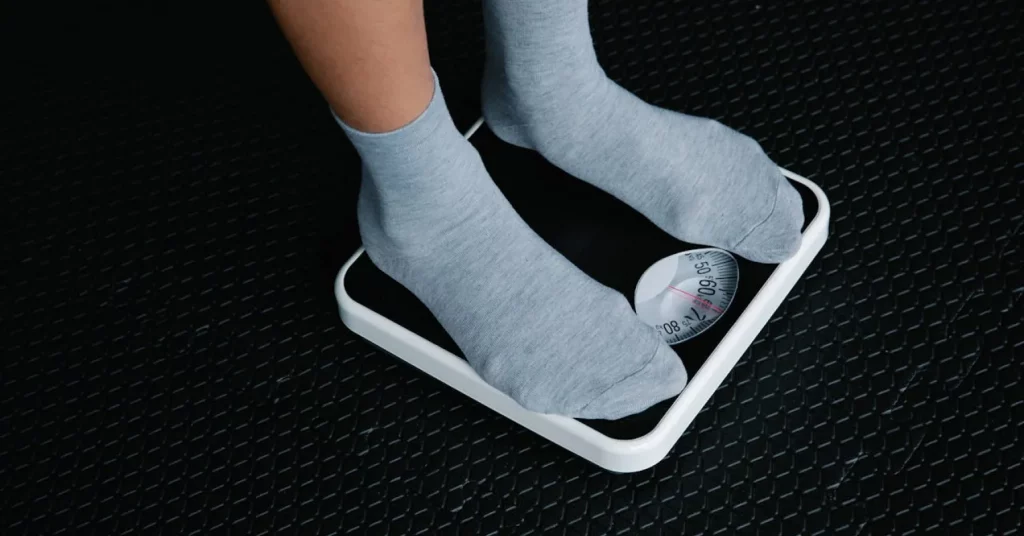
Growth charts can be useful medical tools, but they are often misunderstood. Many parents believe that percentiles represent grades or rankings – as if being in a higher or lower percentile is automatically better. In fact, percentiles simply describe patterns relative to the population average. A child in the 20th percentile is not inherently more or less healthy than a child in the 80th percentile. But because the numbers seem objective and scientific, parents may focus too much on maintaining or changing those numbers.
The way a child’s growth is reported by their health care provider may inadvertently lead to Worry. Some providers may emphasize weight changes or percentage changes that make parents feel anxious or judgmental, even when the child is within the normal range of variation. Anything that might indicate that their child might be “too small” or “too big” can in turn create unnecessary worry or panic, especially in a culture that is already obsessed with body size.
This concern may be further heightened by online content that emphasizes “control” and comparison of children’s bodies, such as:
- To feed accounts.
- “Healthy Lunch” Influencers.
- Baby nutrition advice.
- Stories before and after.
- The fitness and wellness culture is aimed at families.
People believe that parenting has increasingly become something they must conform to and children’s bodies often become part of that performance.
Adults often impose their body problems on children
Many adults grew up in an environment where weight was heavily monitored and discussed. They may have experienced dieting, criticism about food, or pressure to look a certain way at a young age. Without realizing it, people may pass those worries onto children.
Parents who fear weight gain may be overly cautious about what their child eats. Grandparents who grew up during food shortages may equate large size with safety and abundance. Someone steeped in wellness culture may understand the normal physical changes of childhood as fixable problems.
Often, the obsession with children’s weight has more to do with the fears of adults than the actual health of children.
Problem with constant physical comments
Even seemingly positive comments can teach children that body shape is extremely important. Children may hear repeated discussions about the following:
- “To be very big.”
- “Extremely thin.”
- Eating “good” or “bad” foods.
- Weight gain or loss.
- Appearance-based appreciation.
This may cause them to begin to internalize the idea that their body is something to be constantly monitored, controlled, or evaluated. This can cause dissatisfaction in the body, Have some Shame, disordered eating patterns, anxiety about food, and decreased trust in one’s hunger and fullness cues.
Children deserve a chance to develop without feeling that every change in their body is under surveillance.
what kids really need
Children need nutrition, mobility, health care, safety, connection, play, sleep, and emotional support. They need adults who can respond to their needs without turning physical differences into distress.
This does not mean that health concerns should be ignored when they actually exist. But there is a difference between careful care and constant monitoring of the body.
A healthy approach might include removing the focus from weight altogether:
- Focusing on energy, mood and growth rather than size.
- Avoid comments about bodies whenever possible.
- Teaching children to trust their bodies.
- Offering a variety of foods without moralizing them.
- Recognizing that body diversity is normal.
Most importantly, children need to know that they are valued for much more than what their body looks like or where they fall on a growth chart.
Because the truth is: Kids aren’t spreadsheets. They are human beings growing in the body they have been given.