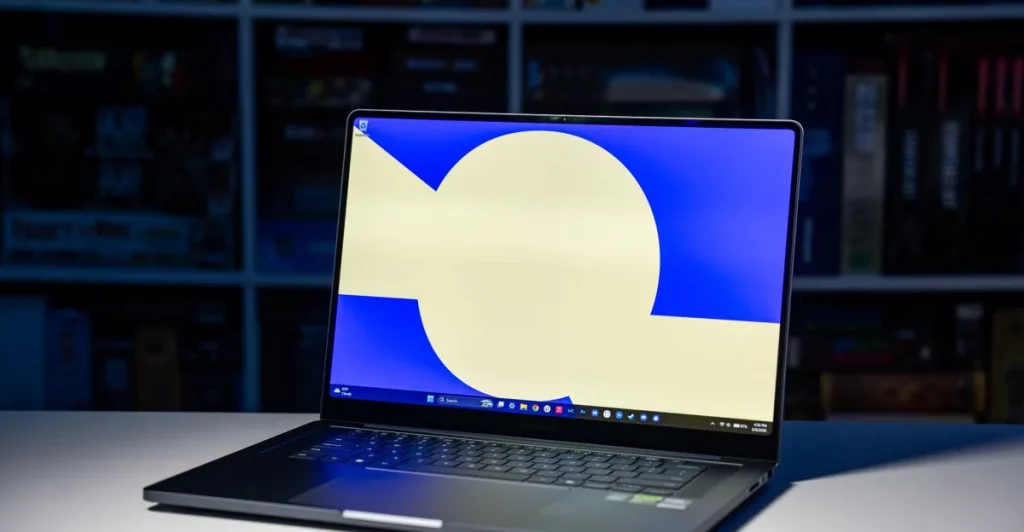










Common mistakes in buying a laptop that can cost you money and how to avoid them


many people start laptop shopping By focusing on price, appearance or brand reputation before thinking about how they will actually use the device every day. This often leads to mistakes like poor battery performance, weak processing power, or inconvenient designs that become frustrating over time.
A smart way to buy a laptop is to focus on real needs rather than impulsive decisions. Following practical tips for buying a laptop can help buyers avoid overspending while still getting long-term value and better performance.
Students, remote workers, gamers, creators, and casual users all require different features and hardware. A lightweight laptop for school work may not handle gaming or editing tasks well, while a powerful gaming laptop may seem unnecessary for basic office use.
Understanding how to choose a laptop based on workload, portability, and future needs makes laptop shopping in 2026 much easier and more effective.
The biggest mistakes in buying a laptop in 2026
1. Choosing value over price
One of the most common mistakes in buying a laptop is choosing the cheapest option without considering long-term performance. Budget laptops may save money initially, but weak processors, limited memory and slow storage can quickly impact everyday tasks like multitasking, video calls or streaming.
A practical laptop buying guide focuses on overall value rather than lowest price. Spending a little more on better hardware often improves reliability, speed, and user experience over many years.
2. Choosing a laptop based on actual use
Many buyers never clearly define their needs before purchasing a laptop. A student, gamer, remote worker, and video editor all require different levels of performance and portability. Buying the wrong range can waste money or lead to disappointing results.
The best laptop for needs depends on daily activities. Students may prioritize portability and battery life laptop performance, while creators often need stronger graphics and more storage. Understanding the actual workload helps buyers make better decisions.
3. Future-proof laptop features matter
As the demand for software continues to grow, a future-proof laptop remains useful for a longer period of time. Some buyers buy laptops with minimal RAM or storage, only to struggle with slow performance and limited space.
Selecting adequate memory and storage from the beginning can extend the lifespan of a laptop. Buyers should think about future needs instead of focusing only on current tasks. This helps avoid upgrading too early.
4. Battery life, performance and portability
Battery life is essential for those who work or study away from power outlets. However, many buyers only focus on processing power and ignore portability, size, and build quality.
Laptop purchases should include comfort and mobility. The lightweight design, durable materials and strong battery performance improve everyday usability. These features matter more than many buyers realize.
5. Display quality and keyboard comfort
The display quality of a laptop affects both comfort and productivity. A poor screen with low brightness or poor color accuracy can make long work sessions uncomfortable. Screen size and resolution also affect the viewing experience.
Keyboard quality also matters, especially for users who type frequently. Before purchasing, buyers should pay attention to the laptop features noted in reviews, including typing comfort and display performance.
6. Shopping without comparing models
Some buyers buy the first laptop that looks impressive without comparing alternatives. The spec sheet alone may not reveal problems like overheating, weak speakers, or disappointing battery performance.
Reading reviews and comparing multiple options are important tips for buying a laptop. Real-world testing often reveals strengths and weaknesses that marketing materials fail to mention.
7. Selecting the wrong operating system or features
Another common mistake in purchasing a laptop is ignoring software compatibility and features. Buyers sometimes choose a device without checking whether their favorite apps or programs work properly on the operating system.
Learning how to choose a laptop also means checking out ports, webcam quality, and connectivity features. Missing ports or compatibility issues can be frustrating later on.
8. Ignoring Upgrade and Repair Options
Many modern laptops limit upgrades and repairs, which can shorten their lifespan. Some devices cannot expand storage or memory, making future improvements impossible.
Future-proof laptops should offer practical upgrade options whenever possible. Buyers should also review warranty coverage and repair assistance before making a decision.
9. Falling in favor of marketing rather than practical value
Marketing often highlights flashy features that don’t improve daily use. Thin designs, unnecessary lighting effects, or exaggerated performance claims can distract buyers from more important details.
Good shopping tips focus on real-world utility. Battery life, comfort, cooling, and reliability usually matter more than attractive advertising features when shopping for a laptop.
How to avoid these mistakes in buying a laptop
best way to avoid mistakes The focus is on real needs, comfort and long-term value rather than trends or marketing hype. Buyers who compare models, check reliable reviews, and carefully evaluate laptop features in detail are more likely to make a better choice.
It also helps to think ahead when choosing memory, storage, and processing power. A practical laptop buying guide should prioritize reliability, portability, battery performance, and display quality as these features impact everyday usage the most.
Smart Laptop Buying Tips for Better Choices
Good Tips for buying a laptop Help buyers focus on real performance and long-term value rather than flashy marketing. Careful laptop shopping can lead to superior comfort, reliability, and everyday usability.
- Identify your daily laptop needs.
- Tailor the laptop to your workload.
- Compare multiple laptop models.
- Read reviews before buying.
- Focus on balanced performance.
- Prioritize battery life and portability.
- Choose a suitable laptop for the future.
- Avoid impulse purchases.
- Ignore unnecessary marketing promotions.
- Buy based on long term value.
Buying a better laptop starts with better decisions
A practical laptop buying guide helps buyers avoid the most common laptop buying mistakes by focusing on real-world performance and long-term usefulness. Features like display quality, battery life, performance, software compatibility and upgrade options often matter more than catchy ads or brand promotions. Careful planning can prevent wastage of money and unnecessary disappointment later.
Shopping for a laptop becomes easier when buyers compare models carefully and focus on practical value. The best tips for buying a laptop still come down to understanding your needs, honestly evaluating features, and choosing a laptop that is suitable for both current tasks and future goals. A thoughtful purchase today can provide superior comfort, performance and reliability for years to come.
Frequently Asked Questions
1. What is the biggest mistake people make in buying a laptop?
The biggest mistake in buying a laptop is choosing a laptop based only on price or looks. Many buyers ignore their actual workload and daily needs before purchasing. This may later result in slow performance, poor battery life, or limited storage. Comparing performance, features, and comfort usually yields a better long-term value.
2. How do I choose the best laptop for my needs?
Start by identifying how you will use the laptop every day. Students, gamers, creators, and office workers all require different hardware and features. Compare battery life, memory, storage, portability, and display quality before deciding. Reading reviews can also help reveal real-world performance.
3. Why is a future-proof laptop important?
Future-proof laptops remain useful longer as software and workloads become more demanding. Devices with more memory and faster storage usually become obsolete over time. This may help buyers avoid upgrading too early. Spending a little more today can save money in the long run.
4. Which laptop specifications are most important?
The most important laptop specifications noted for buyers are processor performance, RAM, storage type, and battery life. Display quality and keyboard comfort also matter for daily use. Solid-state drives typically offer much faster speeds than older hard drives. Understanding these features makes purchasing a laptop much easier.