









Fashion is art, but fast fashion is erasing it

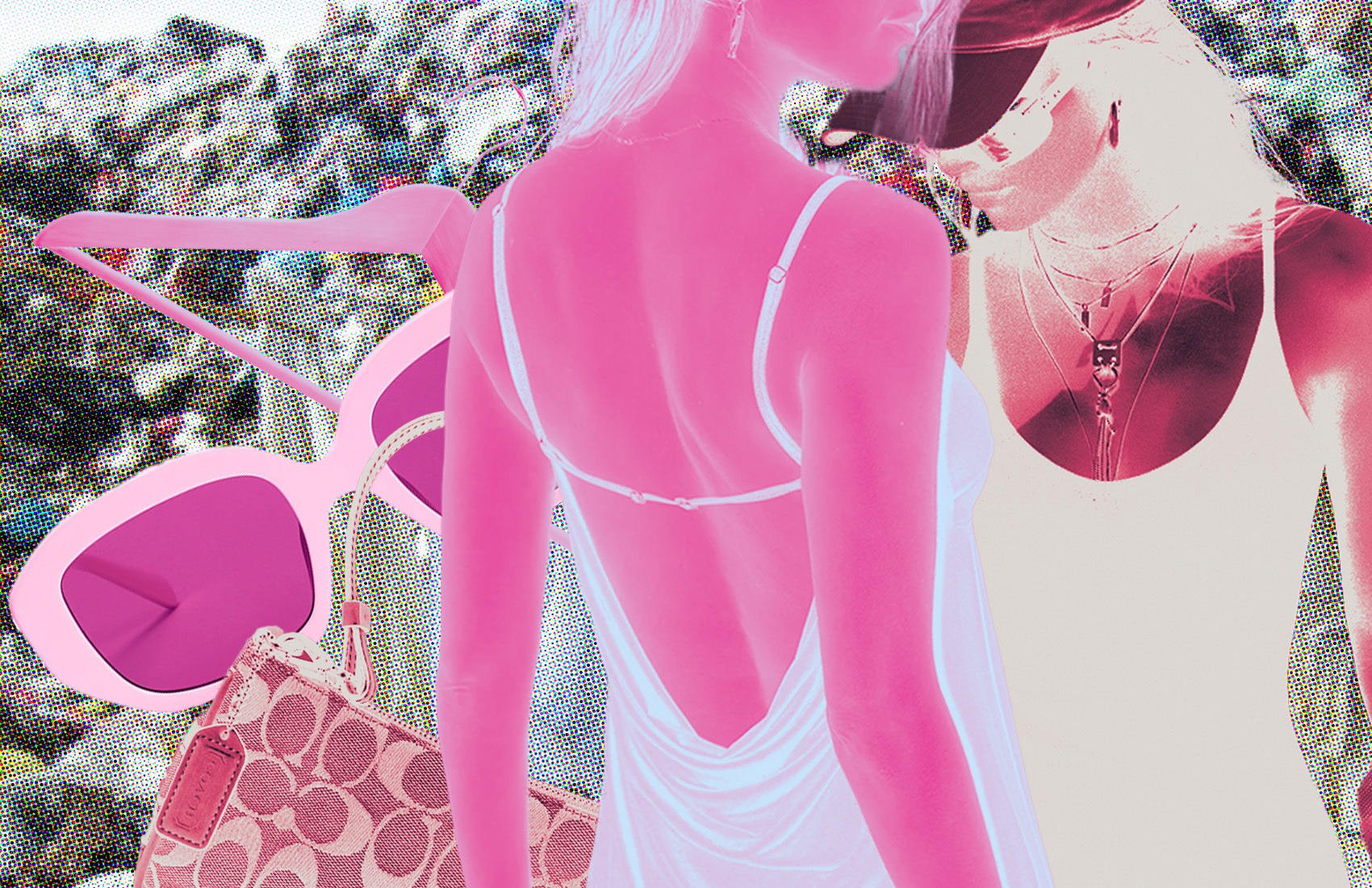
Fashion is more than utility – it’s a dynamic, complex form of creative expression. It is design, movement, imagination, emotion and culture intricately sewn together from the fabric.
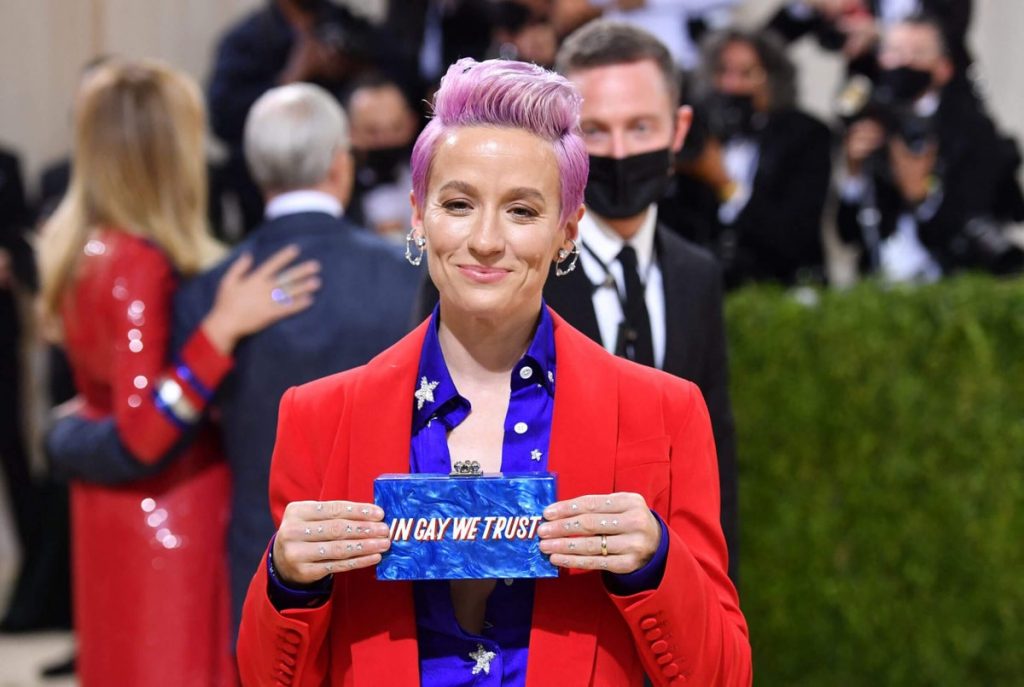
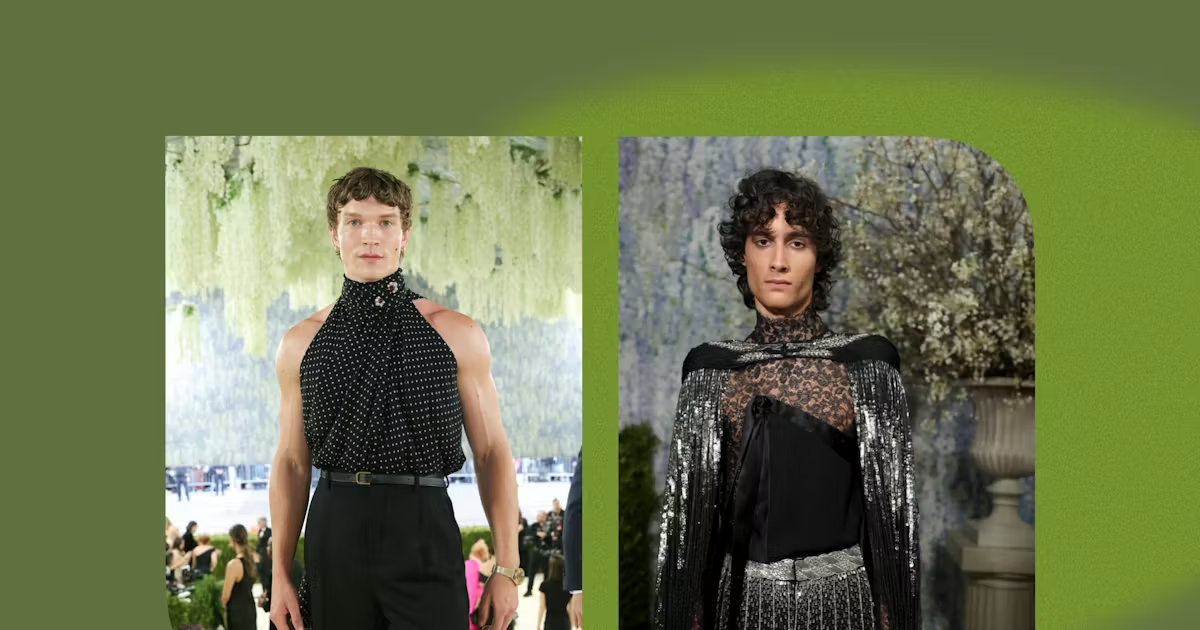
The Met Gala is scheduled to be held on May 4 and this year’s dress code is “Fashion is Art.” The annual benefit will explore the intersection between fashion, art and the body, comparing garments with museum artwork to illustrate their interconnectedness.
But in the age of ever-changing micro trends and rampant consumerism, fashion is losing its artistic edge.
Daily headlines, delivered straight to your inbox.
Subscribe to our newsletter to stay up to date on the latest information in and around USC.
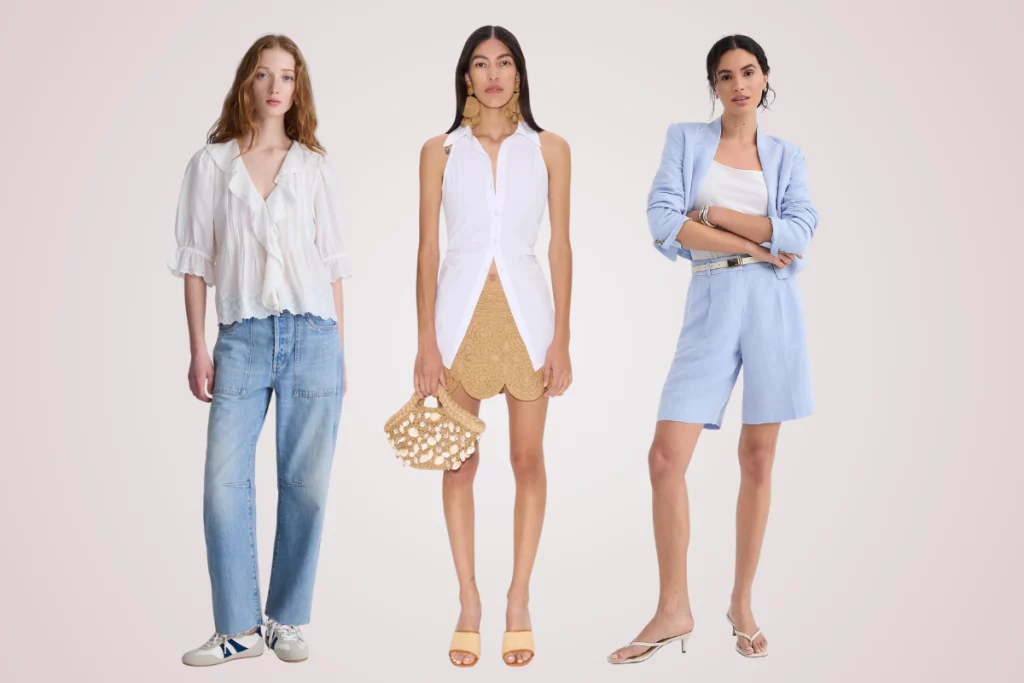
Now, you can build your wardrobe straight from TikTok, the same app where you can make viral 15-second dance videos or launch your pop music career. The TikTok shop, conveniently located between the “Following” and “For You” pages, offers packages that are aesthetically eccentric, advertising ephemeral personas with a series of seemingly random terms, from “clean girl” to “tomato girl.” Trend turnover rates have evolved from years dedicated to a fad to just a few weeks.
Personality is at the center of artistic expression. When micro-trends are sold to people en masse, art becomes a consumerist project. Rather than serving as a statement of personality, fast fashion communicates that the person follows trends. The purpose of art is to push the boundaries of free expression, not to encourage equality in the pursuit of beauty.
Americans spend an estimated $32 million per day shopping on TikTok, Capital One Shopping reports. Fast fashion brands collaborate with influencers to capitalize on these micro-trends, inspiring audiences to “run, not walk” so that they can fill their wardrobes with suspiciously low-priced Lululemon Define jackets that they are supposedly “obsessed with,” that is, until the next shiny new aesthetic emerges, further curtailing individuality.
Especially as young people, we are in an endless quest to define ourselves. But it’s hard to develop a personal style when you’re under pressure to constantly reinvent yourself. In a time characterized by excessive consumption, when what is “inside” is constantly changing, it is meaningless to keep up.
This year’s Met Gala theme invites us to redefine the way we look at fashion. In its purest form, fashion captures the cultural ideology of a moment, rather than exploiting a fad.
In the 1970s, the rebellious creativity of British designer Vivienne Westwood revolutionized the fashion industry by bringing the punk counterculture movement with studs and leather into the mainstream.
Westwood’s 1990 Spring/Summer Portrait collection took inspiration from 18th-century French paintings, particularly François Boucher’s “Daphnis and Chloe”, which she recreated on a corset.
Inspired by German artist Rebecca Horn’s installation of two shotguns firing blood-red paint at each other, British designer Alexander McQueen merged technology with fashion in his 1999 Spring/Summer runway show. You can’t watch the finale with two robotic figures splattering black and yellow paint on Shalom Harlow’s white, flared dress, and believe it’s anything but art.
Be it Anna Sui’s punk designs with influences from the Rolling Stones and Andy Warhol or the romanticism and ultra-femininity of Blumarine, fashion makes a statement when creativity drives production rather than speed.
“In a way, fashion transcends art,” Andrew Bolton, curator of the Metropolitan Museum of Art’s Costume Institute, said in an interview. circulation. “It symbolizes our lived experience. It’s the only art form that does that.”
If fashion symbolizes our lived experience, then fast fashion reflects a troubling one: where value is derived from expediency and convenience rather than care. Instead of choosing an outfit as a reflection of one’s personality, clothing has been literally and metaphorically cheapened as a tool of moral and environmental degradation.
But unless you delve into the depths of Vinted and The RealReal, these high-end fashion brands are out of reach for the average consumer. But the alternative to creative, intentional design is not mass production. Instead, brands should focus on offering affordable, sustainable options that transcend the lifespan of micro trends.
Fast fashion is a $150.82 billion industry, yet some of its workers are paid less than $1.58 an hour. As the third largest pollutant in the world, clothing is made of low-quality materials, such as polyester, that do not decompose once used and disposed of. These costs remain hidden from consumers, but are included in every affordable garment we buy.
Although the demand is high, with the constant advertising and affordable access to fast fashion, the consumer should not be embarrassed, rather brands like Shein and Zara should bear the brunt of the blame.
Conformity is created through fast fashion, sacrificing self-expression and individuality for subtle trends. In the words of renowned designer Yves Saint Laurent, “Style is eternal.” Instead of buying into every fad, we should return to fashion as an art, learn to slow down and discover our personal style – but it should be accessible to everyone.