









Fuorisalone proves fashion isn’t just an accessory for Milan Design Week

Fuorisalone may not be a fashion week, but it’s one of the style set’s favorite places to flex their design credentials away from the runway. Over the past decade, this annual event has become unforgettable for denizens of the fashion industry, and houses are finding that this showcase is a chance to connect with the design-savvy audience while enhancing their cultural appeal.
Last year, the region’s presence at Milan Design Week peaked, when more than 40 fashion houses staged events. Hermès, Prada, Miu Miu, Gucci, Louis Vuitton, Bottega Veneta and Loro Piana are all returning for the latest iteration. (In 2025, the latter was the most talked-about label, thanks to its collaboration with Milanese design firm DimoreStudio.)
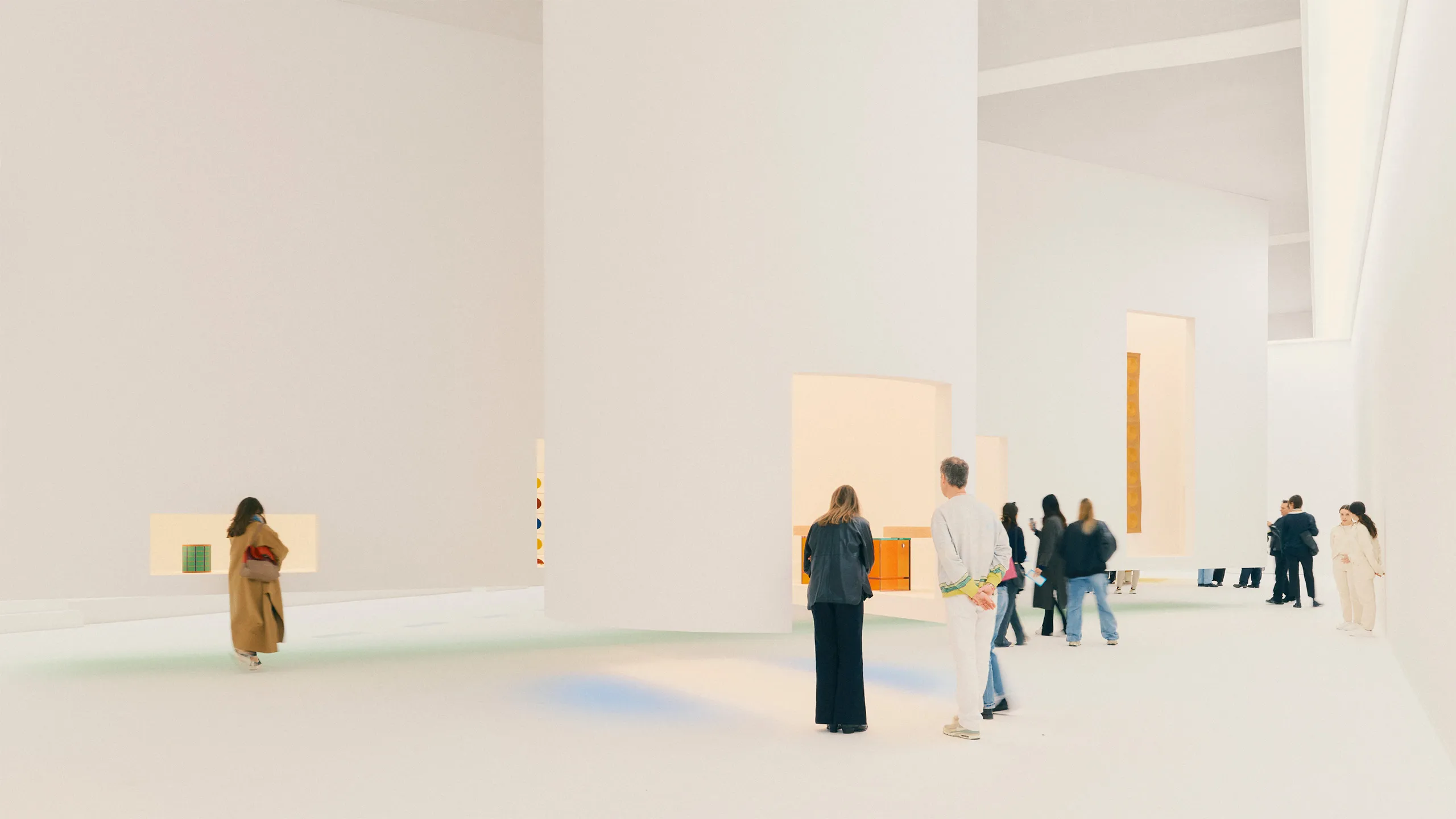
This time, Milan-based brand Jil Sander has joined the fray, launching its Fuorisalone with the Reference Library, an exhibition of 60 books chosen by 60 creatives that will be presented on chrome lecterns, visible to visitors wearing white gloves. Held in the brand’s showroom near the Sforzesco Castle, the show was moderated by its new creative director Simone Bellotti.
“Salone del Mobile is the moment when the city becomes a gathering place for people who care deeply about how things are made,” Bellotti told Monocle. “Jil Sander has always been defined by thoughtfulness, refinement of cuts, perfection of detail. These are values that the design world shares. Our customer is the person who lives with intention, who chooses and keeps things with care. The overlap between the person who appreciates exceptional design and the person who wears Jil Sander is not accidental.”
A recent report commissioned by PR agency Carla Otto and conducted by marketing platform Lefty found that, in 2025, the fashion category represented 56 percent “share of voice” (industry term for the proportion of market interaction on social media) during Milan Design Week. To put this in perspective, it recorded 30 per cent for the design category, while media, lifestyle, food and beverage, automobile, beauty, technology, jewelery and finance shared the remaining 14 per cent.
“People want to live inside a brand, not wear it,” says Lewis Alexander, founder of London-based strategic consulting firm Alexander. & Co, who notes that for fashion groups, presence in the Insiders category chimes with shareholder logic. “Clothing has a range; interiors offer high margins and cultural resonance. Fashion once dressed the body; now it dresses the life.”
However, there are signs of a change in mood in 2026. Having enjoyed a high profile at Milan Design Week in recent years, several fashion houses are notable by their absence, including The Row, Yves Saint Laurent and Loewe. Industry representation at the Salon mostly included more firmly established brands in design such as Hermès, Louis Vuitton, Versace, Fendi Casa and Ralph Lauren.
The fashion sector continues to be in a slump, recalibrating after a year of creative-director changes and executive shuffles. The budget allocated for extra-curricular events such as Milan Design Week is being reconsidered. “Every designer who comes to a label has a different idea of what it should look like — not to mention the fact that they need to create six or seven collections a year,” says Lisa Pomerantz, brand director of the New York-based firm LFP Collective. “Then they should also explore home collections? It can’t just be an afterthought. You can’t put something in a shop window if it doesn’t legitimately belong there. People are getting wiser to it. ‘One and done’ doesn’t work anymore because there’s too much noise.”
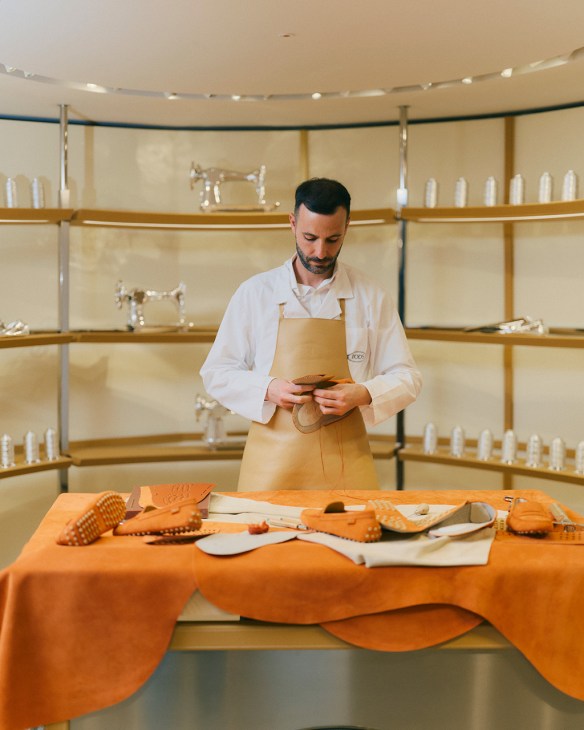
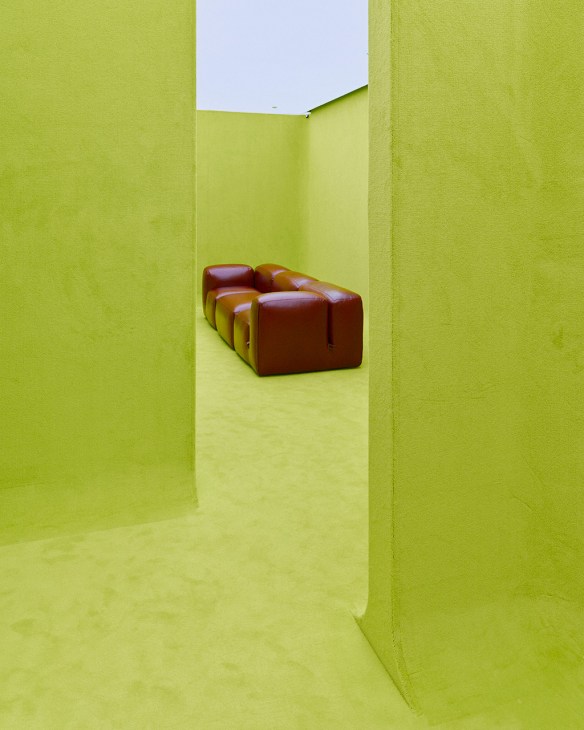
This coincided with a change in popular opinion among the design industry. Somewhat in contradiction with the event’s open-door policy, which has democratized access to elite design circles over the years, the Carla Otto report found a growing “tension between public access and the concept of industry intimacy”. Two camps have emerged: one that thinks the presence of fashion brands is resulting in a weakening of the industry and the other that sees the value in attracting new demographics.
“There’s a sniffle about this idea that fashion is entering the temple of design,” says Alexander, who adds that there’s “a distaste for houses that just put a logo on a chair”. Done well, however, he sees opportunities for brands to connect with the new generation. He adds, “Craft is now positioned as a testament to sustainability and integrity – and this message reaches young consumers.” “For them, it’s often their first introduction to heritage and craft. If they discover Hermès wallpaper before discovering Bauhaus, that’s not a bad entry point.”
Like Jil Sander, fashion brands without a lifestyle category are capitalizing on the growing appetite for intellectual enrichment and experience rather than prioritizing new products. “Thinking and engaging – or being able to think deeply and engage without distraction – are the new aspiration signals,” says Lucy Green, founder of Light Years Consulting. “It also sits with the Generation Z curator mentality of mining cultural artifacts. Locating books and key texts outside of the digital space sets them apart.”
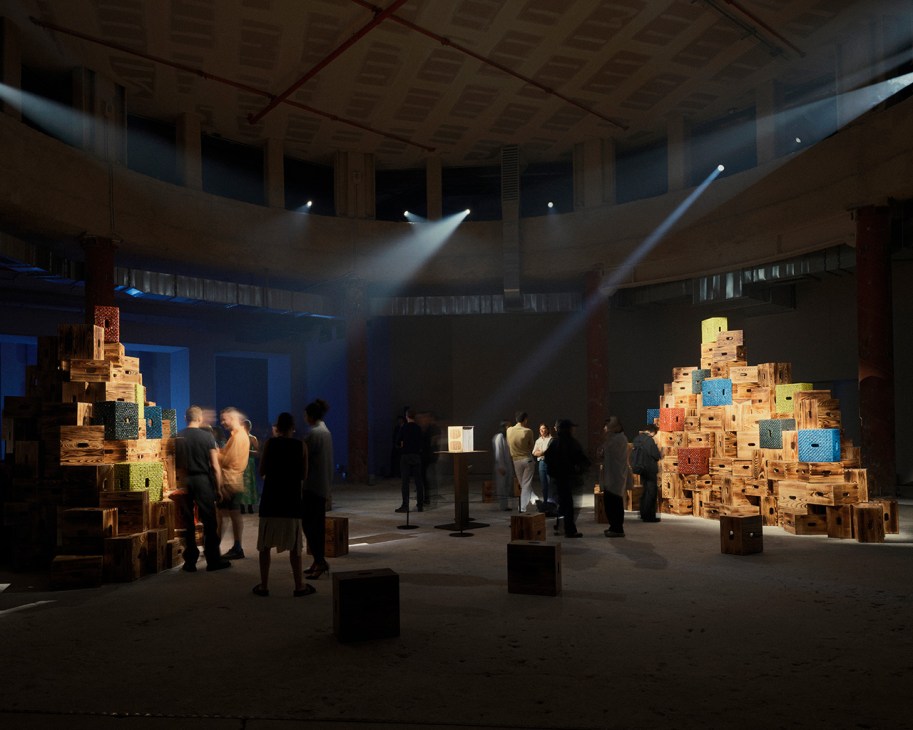
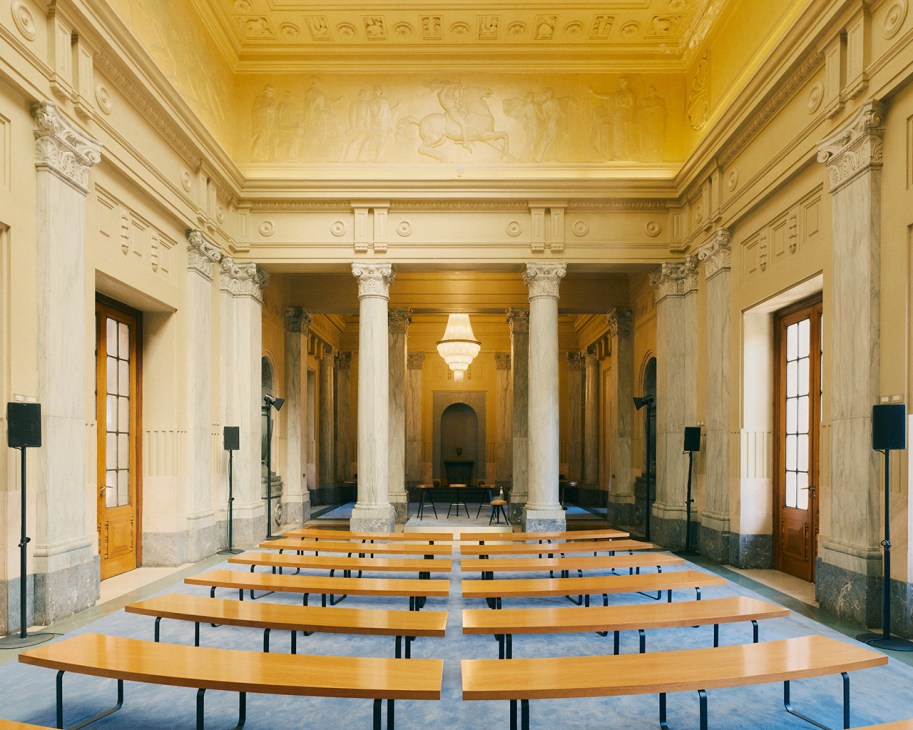
Issey Miyake returns to Milan for its 10th year in collaboration with Spanish architecture office Ensemble Studio Paper Log: Shell and CoreA project to repurpose the brand’s pleated clothing by-products. Elsewhere, Miu Miu is back with the third installation of its literary club, while its parent brand, Prada, returns for its fifth symposium, titled Prada Frames, in partnership with Milanese design duo Formafantasma.
“Prada is a great example of a brand that is never literal,” says Pomerantz. “What Miuccia Prada (executive director of the Prada Group) is saying is, ‘My brand is built on intellectual conversation.’ Why wouldn’t she want to connect and interact with the culture? She’s just her.” According to Green, a new focus for fashion brands participating in events like Fuorisalone is “neo-cerebralism”, which emphasizes substance rather than simple brand experiences. “It involves artificial intelligence and focuses on human skills, artistry, intuition and critical thinking,” says Green. “It is forcing us to look to history, philosophy and art, both past and present, to make sense of things, especially in this time of massive global change and disruption.”