









Google vs Meta Smart Glasses: Which AI Frames Are Better

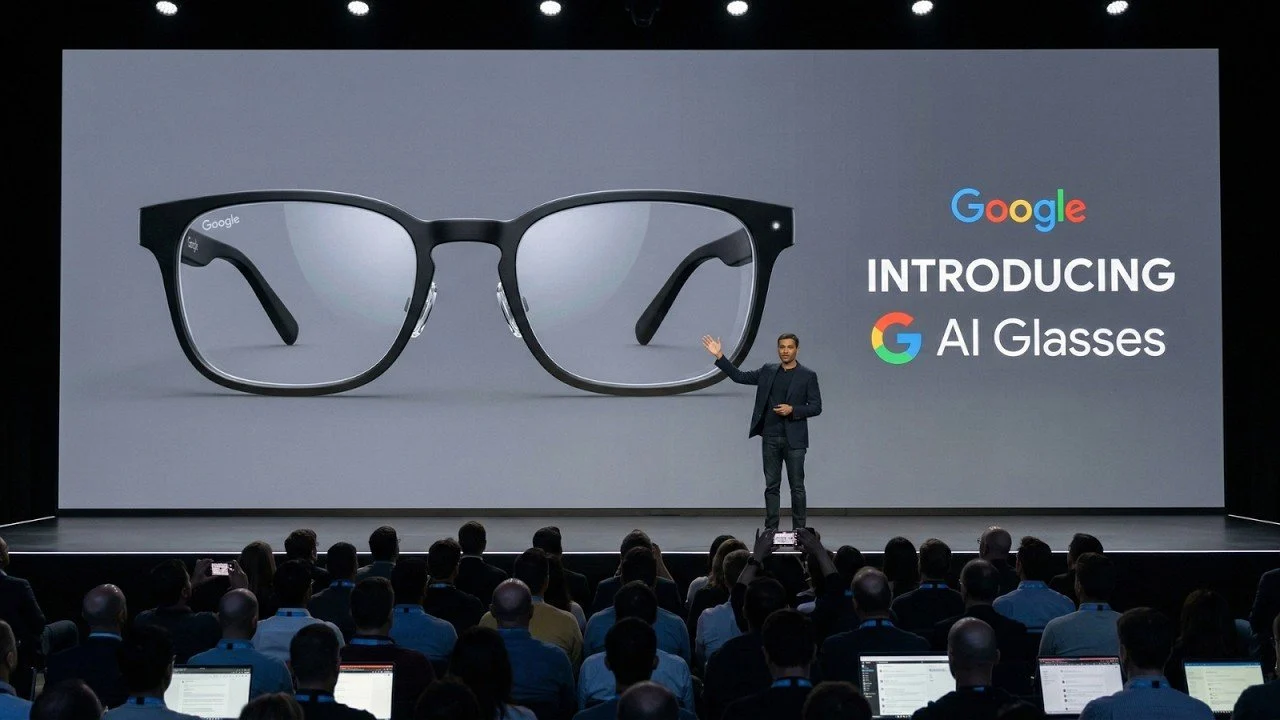
Google’s latest AI-powered smart glasses built on the Android XR platform represent a significant step forward in wearable technology. with focus on Productivity And User-centered designThese glasses aim to seamlessly integrate artificial intelligence into daily routines. Futurum highlighted three different models in Google’s lineup: the Gemini Audio Frame for discreet, hands-free operations; Gemini Display Edition, which includes a MicroLED head-up display for real-time navigation and information; and Project Aura, a developer-focused kit designed for immersive applications. This tiered approach ensures that users ranging from general consumers to enterprise developers can find the model that suits their needs.
Learn how Google’s smart glasses use advanced features Gemini 2.5 Pro AI System and the Project Astra Vision System to provide real-time object recognition and episodic memory. You’ll also gain insight into the split compute architecture that balances high performance with portability, as well as privacy measures like LED activity indicators and sound leakage minimization. Whether you’re interested in professional productivity, enterprise applications, or the broader implications of wearable technology, this feature provides a comprehensive analysis of what sets Google’s approach apart.
Google AI Glasses
TL;DR Key Facts:
- Google has launched AI-powered smart glasses on the Android XR platform, differentiating itself from the social-oriented approach of the Meta, focusing on productivity, usability and user-centric design.
- The glasses come in three models: Gemini Audio Frames (entry-level with an AI voice assistant), Gemini Display Edition (monocular display for professionals), and Project Aura (developer-focused with binocular display for immersive applications).
- Powered by the Gemini 2.5 Pro AI system and Project Astra Vision System, the glasses offer advanced features such as real-time object recognition, episodic memory, and intuitive interaction with the environment.
- Google prioritizes privacy with features like LED indicators for active cameras/microphones and reducing sound leakage, while collaborating with fashion brands to ensure stylish designs.
- Geared towards professionals and enterprise users, Google’s smart glasses emphasize real-world utility and productivity, establishing a competitive edge in the wearable tech market over Meta’s offerings.
A versatile product range for different users
Google’s smart glasses are available in three different models, each catering to specific user needs and preferences. This tiered approach ensures that a wide range of users, from casual consumers to developers, can find a model to suit their needs:
- Gemini Audio Frames: These entry-level glasses resemble traditional prescription eyeglasses and are equipped with cameras, microphones, and AI voice assistants. They are ideal for users wanting discreet, hands-free AI interactions for tasks like voice commands, quick searches or audio-based navigation.
- Gemini Performance Version: Featuring a monocular microLED head-up display, this model offers advanced functionality like turn-by-turn navigation, real-time notifications, and AI-powered feedback. It is especially suitable for professionals and users who need anytime access to information.
- Project Aura: Designed as a developer-focused kit, this model includes full binocular displays, allowing spatial app development and immersive experiences. It is designed for advanced users and enterprise applications, such as training simulations or industrial design.
Advanced AI and engineering at the core
lies at the foundation of Google’s smart glasses Gemini 2.5 Pro AI System and this Project Astra Vision SystemWhich together enable many advanced capabilities. These include real-time object recognition, episodic memory, and seamless interaction with the physical environment. For example, glasses can identify objects, remember their location and provide relevant information instantly, increasing both convenience and efficiency.
To maintain a lightweight and comfortable design, glasses are used split compute architecture. The system offloads resource-intensive tasks to the paired smartphone and cloud server, ensuring high performance without compromising portability. Additionally, features like nano banana image editing tool Allows users to edit photos in real-time, demonstrating the versatility of the glasses in both professional and personal contexts.
Here are additional guides from our extensive article library that you may find useful on smart glasses.
Balancing design and privacy
Google has collaborated with renowned fashion brands Warby Parker and Gentle Monster to create glasses that are both stylish and functional. These partnerships aim to remove the stigma often associated with tech-heavy designs, making the glasses more appealing to a wider audience.
Privacy remains a top priority in the design of these glasses. Features like led indicator Signals when the camera or microphone is activated, addressing concerns about unauthorized recording. Additionally, reducing noise leakage ensures that private conversations remain confidential, increasing user confidence. These measures reflect Google’s commitment to addressing privacy concerns when delivering high-tech products.
How does Google differentiate itself with meta?
While Meta’s smart glasses emphasize social features like live streaming and content creation, Google’s offering is designed for Productivity and Utilization. Integration with Google Maps, Workspaces, and Play Store highlights its focus on enhancing professional and everyday tasks. Other than this, Gemini 2.5 Pro AI System Provides a deeper understanding of real-world contexts than Meta’s llama-based AI, giving Google a competitive edge in functionality and practical application.
This differentiation positions Google’s smart glasses as a device for professionals, tech enthusiasts, and enterprise users rather than primarily targeting social media users. by focusing on real world utilityGoogle differentiates itself in the wearable tech landscape.
Opportunities and challenges in the wearable technology market
The smart glasses market is poised for significant growth due to increasing consumer interest and expanding enterprise applications. However, several challenges must be addressed to ensure widespread adoption:
- Public Skepticism: Many consumers hesitate to adopt smart glasses due to privacy concerns and lack of familiarity with the technology.
- Privacy concerns: Issues related to biometric data collection and unauthorized recording continue to raise questions on user safety and data security.
- Engineering Constraints: Balancing battery life, lightweight design and advanced functionality remains a technical challenge for manufacturers attempting to meet user expectations.
Despite these challenges, Google’s emphasis is on this AI integration And practical utility It is well positioned to capture a significant share of the market. Glasses’ ability to increase productivity and streamline tasks makes them particularly attractive to professionals and enterprise users.
future of smart glasses
Google’s AI-powered glasses have reignited discussion about the potential for smart glasses to complement or replace smartphones in the future. Their ability to integrate seamlessly into daily life is consistent with a comprehensive approach ambient computingWhere technology becomes an unobtrusive part of the user’s environment. However, regulatory challenges, particularly those related to biometric data and privacy laws, may play a significant role in their adoption.
By overcoming past shortcomings and focusing on User friendly designGoogle has established itself as a strong competitor to Meta in the wearable tech sector. Its strategic emphasis is Productivity, AI-powered innovationAnd practical applications Underscoring its commitment to advancing the future of personal computing and wearable technology. As the market continues to evolve, Google’s smart glasses could redefine how users interact with technology in their everyday lives.
Media Credit: futurum
Disclosure: Some of our articles contain affiliate links. If you buy something through one of these links, Geeky Gadgets may earn an affiliate commission. Know about us Disclosure Policy.