










How to Convert PDFs and Links to PowerPoint Decks Using the Cloud

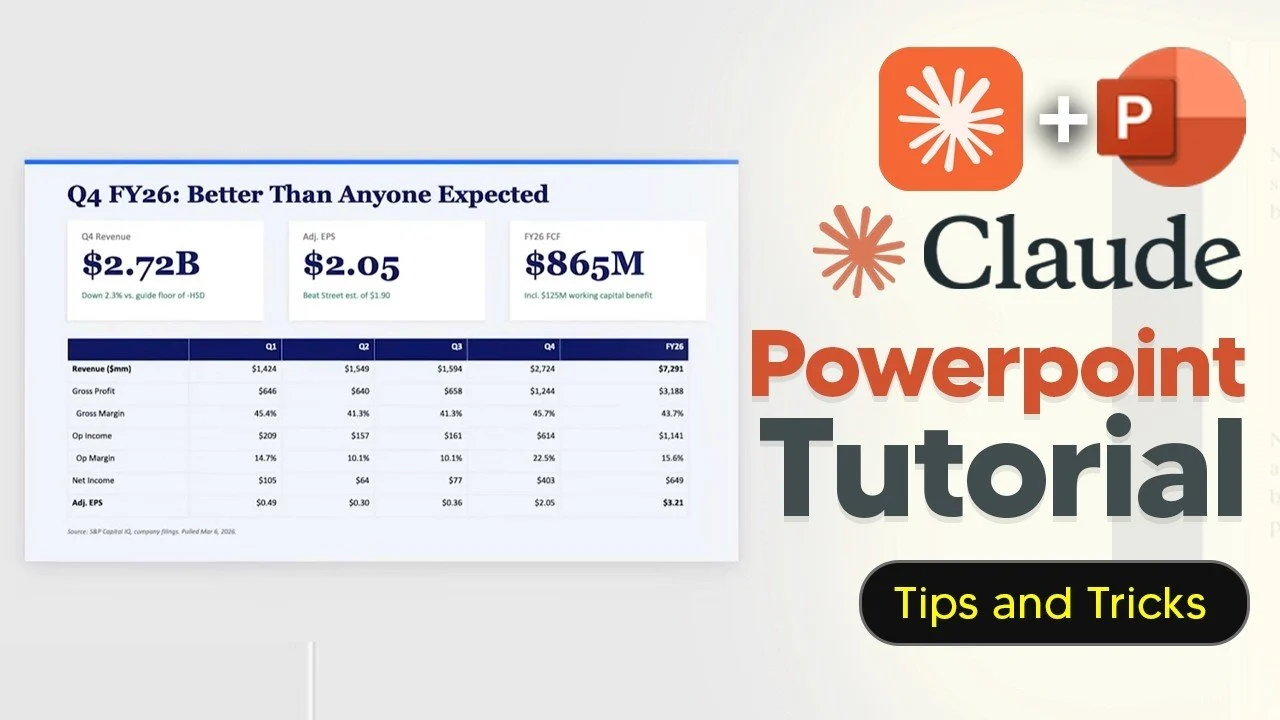
AI Grid explains how to use the cloud with Microsoft PowerPoint to streamline the process of creating presentations. Setup involves installing the cloud via the “Add-ins” menu in PowerPoint, which requires a Cloud Pro subscription starting at $20 per month. Once connected, the cloud enables features like editable slide creation and natural language-based optimization. According to AI Grid, the cloud is compatible with both desktop and web versions of PowerPoint but does not currently work on mobile devices.
Learn how to create full slide decks using the cloud’s AI models, including Opus 4.6, or perform targeted editing with Sonnet 4.6. Learn how to transform data from sources like PDFs, Excel sheets or websites into better slides and apply translation features to tailor content to diverse audiences. Find out how to address file size limitations and ensure consistent design in your presentations.
Getting Started: Integration and Setup
TL;DR Key Facts:
- Cloud for PowerPoint is an AI-powered add-on by Anthropic that simplifies creating and editing presentations, it requires a Cloud Pro subscription starting at $20/month.
- It has two AI models: Opus 4.6 for complex tasks like creating slide decks and Sonnet 4.6 for quick editing, offering full customization of slides.
- The tool supports diverse data input including PDFs, Excel files, and website links and can generate speaker notes and translate presentations for global audiences.
- Limitations include a 30 MB file size limit, occasional inaccuracies, and the need to reload the context between sessions due to chat history resets.
- Best practices include using templates, allowing “ask before editing,” and breaking large presentations into smaller sections to optimize workflow and results.
To start using Cloud for PowerPoint, you need to install it as an add-on within Microsoft PowerPoint. This tool requires a Cloud Pro account or a higher tier subscription, which starts at $20 per month. It is compatible with both desktop and web versions of PowerPoint, although it does not currently support mobile platforms like iPad or Android.
Here’s how to set it up:
- Launch PowerPoint and go to the “Add-ins” menu.
- Search for Cloud in the Add-ins Store and follow the installation prompts.
- Once installed, log in using your Cloud Pro account credentials to activate the tool.
After completing these steps, you can access the cloud directly within PowerPoint to begin creating or editing a presentation. The integration is seamless, allowing you to easily incorporate AI-powered features into your workflow.
Key Features and Functionality
Cloud for PowerPoint comes equipped with a variety of features designed to enhance your presentation creation process. Unlike many AI tools that generate static content, Cloud produces fully editable slides, allowing you to customize each element to suit your needs. It also optimizes your existing slide master layout, fonts, and color schemes, ensuring visual consistency across your presentation.
The tool uses two different AI models, each tailored to specific tasks:
- Composition 4.6: Optimized for complex tasks like creating entire slide decks, reorganizing content, or creating detailed presentations.
- Sonnet 4.6: Designed for quick edits, such as correcting typos, reformatting slides, or making minor adjustments.
Using natural language prompts, you can make targeted edits, such as modifying specific slides, adding speaker notes, or adjusting the layout. The tool also allows customization of fonts, colors, and design elements, giving you complete creative control over your presentation.
Become an expert in PowerPoint with our in-depth articles and helpful guides.
Data input and processing capabilities
One of the standout features of Cloud for PowerPoint is its ability to process diverse data inputs and transform them into professional-quality slides. This tool supports multiple formats, making it highly versatile for different use cases:
- PDF: Extracts content and converts it into visually appealing slides.
- Excel files: Converts structured data into charts, graphs, and tables.
- Website Link: Summarizes web content into concise, presentation-ready slides.
Additionally, the cloud includes language translation capabilities, allowing you to adapt presentations for a global audience. It can also automatically generate speaker notes, providing detailed talking points for each slide, which is especially useful for live presentations or training sessions.
Limitations to consider
While Cloud for PowerPoint offers impressive functionality, it is important to be aware of its current limitations to effectively manage expectations:
- Chat history is reset between sessions, requiring you to reload the context for ongoing projects.
- Sometimes mistakes, such as fabricated data or overlapping text, may occur and require manual correction.
- Markdown-based processing can sometimes destroy complex visual details.
- File size is limited to 30 MB, which may limit the scope of larger presentations.
- Complex layouts or highly detailed scenes may require additional manual adjustments to achieve the desired results.
Understanding these limitations will help you plan your workflow more effectively and minimize potential disruptions.
Best Practices for Optimal Use
To fully utilize the capabilities of the cloud for PowerPoint, consider implementing the following best practices:
- Load your favorite templates before you begin to ensure design consistency across all slides.
- Enable “Ask before editing” mode to maintain control over changes and avoid unintended modifications.
- Specify the desired number of slides when preparing content to efficiently manage processing time and credit usage.
- For larger presentations, break the content into smaller sections to avoid exceeding the file size limit.
These strategies can help you streamline your workflow and maximize the tool’s potential, ensuring a smoother and more efficient presentation creation process.
Additional equipment and features
Cloud for PowerPoint includes several supporting tools that further extend its functionality. For example:
- The “Skills” feature allows you to format content in specific ways, such as creating bullet points, summarizing text, or highlighting key information.
- External data connectors enable you to pull information directly from databases or APIs, allowing real-time updates and dynamic content integration.
These additional features make it easy to create data-driven presentations tailored to your specific needs, whether it’s for business, education, or other business purposes.
practical use cases
Cloud for PowerPoint is particularly suitable for a variety of business scenarios, including:
- Develop corporate presentations, sales reports, or investor pitch decks with minimal effort.
- Creating slides from structured data sources such as financial reports or web analytics.
- Translating productions into multiple languages to meet the needs of international audiences.
- Adding detailed speaker notes to enhance delivery and engagement during live presentations.
These use cases demonstrate the tool’s versatility and ability to save time and effort across a wide range of industries and applications.
Maximizing the potential of the cloud for PowerPoint
Cloud for PowerPoint is a robust and versatile tool that simplifies the process of creating and editing presentations. Its advanced AI capabilities allow you to easily create professional-quality slide decks while saving valuable time and effort. By understanding its features, limitations, and best practices, you can effectively integrate this tool into your workflow. Whether you’re preparing a corporate overview, educational lecture, or sales pitch, Cloud for PowerPoint gives you the tools you need to deliver impactful and sophisticated presentations every time.
Media Credit: AIGrid
Filed Under: guide
Disclosure: Some of our articles contain affiliate links. If you buy something through one of these links, Geeky Gadgets may earn an affiliate commission. Know about us Disclosure Policy.


